
Teaching Teens Time Management: 5 Smart Strategies That Work
Teaching teens time management is one of the most valuable life skills we can pass on as working homeschool moms. It helps reduce stress, builds independence, and lays the foundation for success—whether that’s in high school, college, or the workforce.
And when your teen learns how to take control of their time, it makes your homeschool days run smoother, too.
Whether your teen is constantly behind, overwhelmed with activities, or just unsure where their time goes, you’re not alone. Time blindness and procrastination are common—but fixable.
Teaching teens time management doesn’t mean stuffing more into their day—it means helping them focus on what matters most without burning out. As a working homeschool mom, you’re already juggling a lot. This guide walks you through 5 practical steps to help your teen create a schedule that works in real life—without you having to micromanage every detail.

We’ll cover how to track tasks, set priorities, and use flexible planning styles so your teen can stay organized and confident—whether they’re managing homeschool, a part-time job, or preparing for college. Yes, teens can absolutely learn these skills—and the earlier, the better.
Step-by-Step: Teaching Teens Time Management
If you’ve ever felt like your teen is running out of time (or steam) every day, start with this: building a schedule together. But instead of telling them what to do, let them drive while you guide. This makes it more likely they’ll follow through—and take ownership of their time.
Pro Tip: I actually start with my kids younger and have them sit at the table with me and show them how I plan, as I talked about in my weekly planning post.
Each of these steps is simple, actionable, and takes about 20 minutes to walk through. Grab a planner, a notebook, and their favorite snack (snacks are a must for kids!), and start with a conversation.
Step 1: Brain Dump Everything
Ask your teen to write down every single thing they do in a typical week—from meals and sleep to schoolwork, hobbies, and appointments. Don’t worry about order or neatness—just get it out of their head and onto paper. Set a timer for 10 minutes and let them brain dump without judgment.
Step 2: Organize into Categories
Now that everything’s out, it’s time to sort. Use highlighters or colored pens to group tasks into categories like homeschool, chores, hobbies, and essentials (like sleep and meals). This helps your teen visually grasp where their time is going—and spot any imbalances.

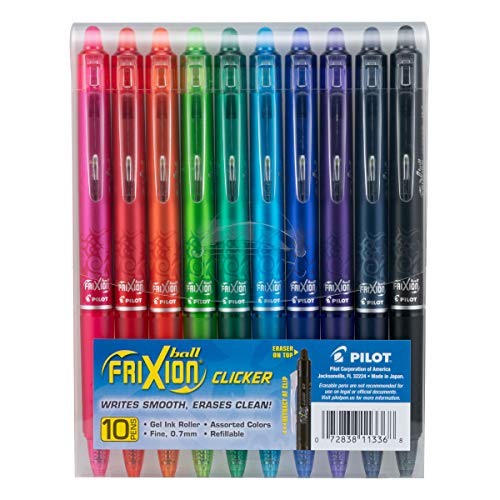
Below I am linking my favorite pens for teens, erasable ones. (They are in the photo above👆) These are great for anyone who gets anxiety about writing in pen due to being permanent. I know I get a little stressed, and these pens have been amazing!
Disclosure: I may receive commissions for purchases made through links in this post.
Pilot, FriXion Clicker Erasable Gel Pens, Fine Point 0.7 mm, Pack of 12, Black Pilot FriXion Erasable Gel Pens, Fine Point 0.7 mm Erasable Pens, Pack of 10 Assorted ColorsTWOHANDS Highlighter,Chisel Tip Marker Pen,6 Assorted Pastel Colors,H2007SHARPIE Accent Tank-Style Highlighters, 4 Colored Highlighters (25174PP)



Step 3: Set Priorities
Talk through what truly matters each week. What are the non-negotiables (school, work)? What’s optional but important (clubs, hobbies)? And what could be minimized or dropped? Use the rocks-pebbles-sand metaphor to help them see how priorities shape their day, not the other way around.
This step builds decision-making skills—and gives them confidence in choosing how to spend their time.
Pro Tip: Once your teen has identified their priorities and tasks, a tool like the Ultimate College Success Planner can help them turn that list into an actionable weekly schedule. It also walks them through real-world time management, goal setting, and planning for life beyond high school.
Step 4: Pick a Planning Style
Let your teen choose the system that fits their brain best. The goal here isn’t perfection—it’s finding what feels doable and helps them follow through.
Here are three common styles to explore:
- Time-blocking: Great for teens with packed schedules. They assign blocks of time to specific activities—schoolwork, chores, breaks—so nothing gets lost in the shuffle.
- Loop scheduling: Perfect for tasks that repeat but don’t need to happen on a specific day. They simply rotate through the list during a set time and pick up where they left off.
- Routines: Helpful for building good habits. Instead of fixed times, they follow a consistent order of activities (like a morning or after-school routine), which reduces decision fatigue.
Most teens use a combination of these. Encourage them to test out a mix and see what actually works.
Bonus Tip: Build in daily check-ins. Ask, “What’s due tomorrow?” and “What’s coming up next week?” These quick prompts help them develop time awareness and avoid last-minute panic.

Step 5: Test and Tweak
No plan is perfect out of the gate. Let your teen live with their schedule for 1–2 weeks, then review it together.
Again, ask review questions: What’s working? What’s not? Expect adjustments (especially during busy homeschool seasons). The goal isn’t perfection—it’s a system they can evolve with.
In the undated planner for working moms, I have notes or review sections for this exact reason. I printed those pages off for my teens and we used them as practice until they found a planning style and a planner they liked.
Helpful Resources for Teaching Teens Time Management
If you’re looking for tools to support your teen’s growth and independence, here are a few practical options that pair well with the system in this post:
- 🧠 Ultimate College Success Planner: A comprehensive planner designed for older teens and college-bound students. Includes scheduling tools, life skills checklists, wellness trackers, and future planning guides.
- 💻 Homeschool Essentials Planner Trello Board: Perfect if your teen prefers digital tools. Moms say it’s a game-changer for visual learners and those who struggle with time blindness.
- ✨ Teen Gratitude Journal: Helps your teen slow down, reflect, and build awareness around how they spend their time—while nurturing a positive mindset.
And for more support on the emotional and practical side of raising teens:
- Helpful Tips on How to Help a Teenager With Anxiety
- Quiet Boxes for Teens: 25 Quiet Time Ideas for Teenagers
Want to raise an independent teen who’s ready for the real world? Start with time management. It’s not just a school skill—it’s a life skill.
📌Don’t let this post get lost in the internet abyss – pin it to your Pinterest board now!


Hi, I’m Jen. I help working moms juggle their career and homeschool their kids by providing support, systems and tools. You are warmly invited to Join the Online Community Here!


